What are Health Hubs?

The Insomnia Hub

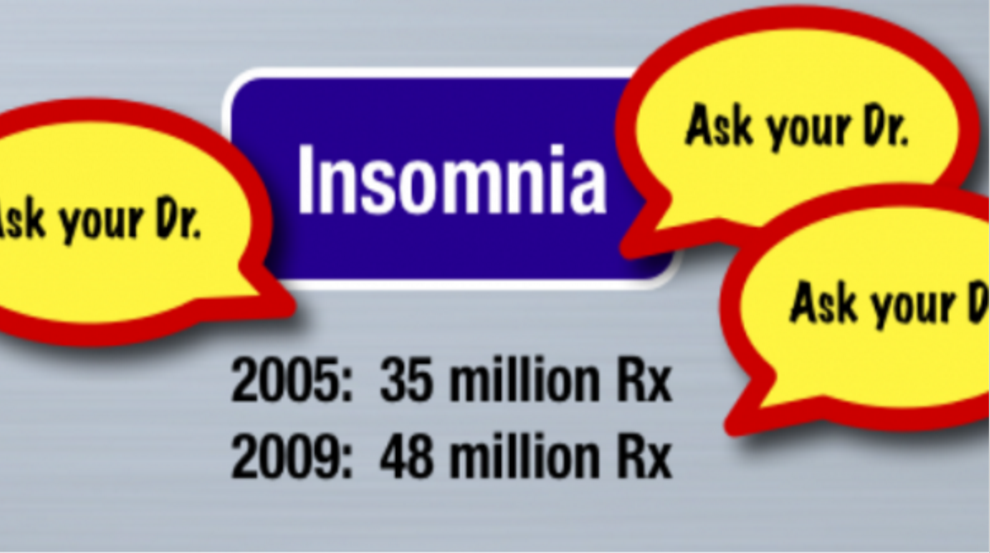
Americans spend up to $107 billion a year on sleep, including 60 million scripts. Did you know that sleeping pills often don’t work or can be dangerous?  Most of the 1 in 3 with insomnia don’t know that Doctors’ Guidelines say to first try the non-drug therapy (CBT-I).  It seems like only the hype is heard – like ‘Ask your Doctor’ ads.

All in healthcare professions are urged to promote best practices using social media.  Imagine if the entire community of sleep professionals spoke up together in one place – over the hype … for what’s proven to work and where to find it.

On the Insomnia Hub … together, we hope to spread ‘what works & where to find it’ … We LEAD

Leverage the Insomnia Hub & other social media to Effectively promote ‘what works’ to Accelerate consumer demand for best practices & Disseminate the best science about Insomnia.

The CBT Hub

Cognitive Behavior Therapy (CBT) is a highly effective treatment that works for many, many conditions. All too often, my patients express that they wished they would’ve known about CBT many years before – when they first began treatment. They feel that they’ve lost time, money, relationships, opportunities, as well as better health … not knowing about CBT.  As well, many clinicians lament that if only we had something like a pharmaceutical industry to promote CBT, we’d help so many more ...
Why have Health Hubs?

Does your doctor share?

Prescription for Health showed that patients get healthier when providers ‘share’ resources via their website.

So, imagine a health communication campaign that makes it easy for ANY clinician to ‘share’ via a curated network of Health Hubs – open to everyone – that spotlight proven practices and resources.

An interdisciplinary George Mason collaborative has begun a health communication campaign … see ‘Share CBT-I … using the Insomnia Hub.

Doctors aren’t trained to share

Professional schools train in Clinical Prevention & Population Health competencies … but, they DON’T train in digital health promotion skills!

Why not create ‘ONE’ (Open Networked Education) health comm course (or practicum) that shares ‘ONE’ platform (Open Health Hubs) to train students interprofessionally to …  (1)  Translate & promote best practices, (2) Bridge to best resources, and (3)  Compete to have an impact?

How to train all clinicians

Worldwide, students learn quality improvement (QI) skills at the IHI Open School. Hundreds of schools in the health professions (medicine, nursing, etc.) require their students to train there – online. For credit, students learn online & apply QI skills locally. Their service saves lives; it’s known as ‘open’ service learning.

Likewise, what if an open course (or open practicum) taught social media skills to students in the health professions ...

Imagine Mason’s March Madness for Total Fitness

What is Total Fitness?

At the time I taught at the Uniformed Services University, I watched the entire military transform its definition of health to include the ‘whole person’ in the whole community (watch the video for more).  They used a train-the-trainer model to teach over 30,000 Army soldiers to train 10’s of 1000’s of other soldiers to be totally fit.

At the 2012 Living and Leading with Resilience Conference, Colonel Bates and I presented a way for George Mason University to LEAD …  kickstart an intercollegiate competition – for communities to compete to be the most totally fit – using that military training.

Creating a Culture of Total Fitness

Dr. Seligman at U Penn led the Total Fitness train-the-trainer program. He stated, at the Mason Resilience conference,  “If we can train Drill Sergeants to lead resilience training in Army units, I don’t see why students can’t train their peers to be more resilient.”

Mason’s Distinguished Communication Professor, Dr. Kreps thinks it’s a testable hypothesis …  The science says that if a health communication campaign makes it POPULAR, EASY, & FUN for students and faculty to join … we can create a culture of ...

Skip to toolbar